
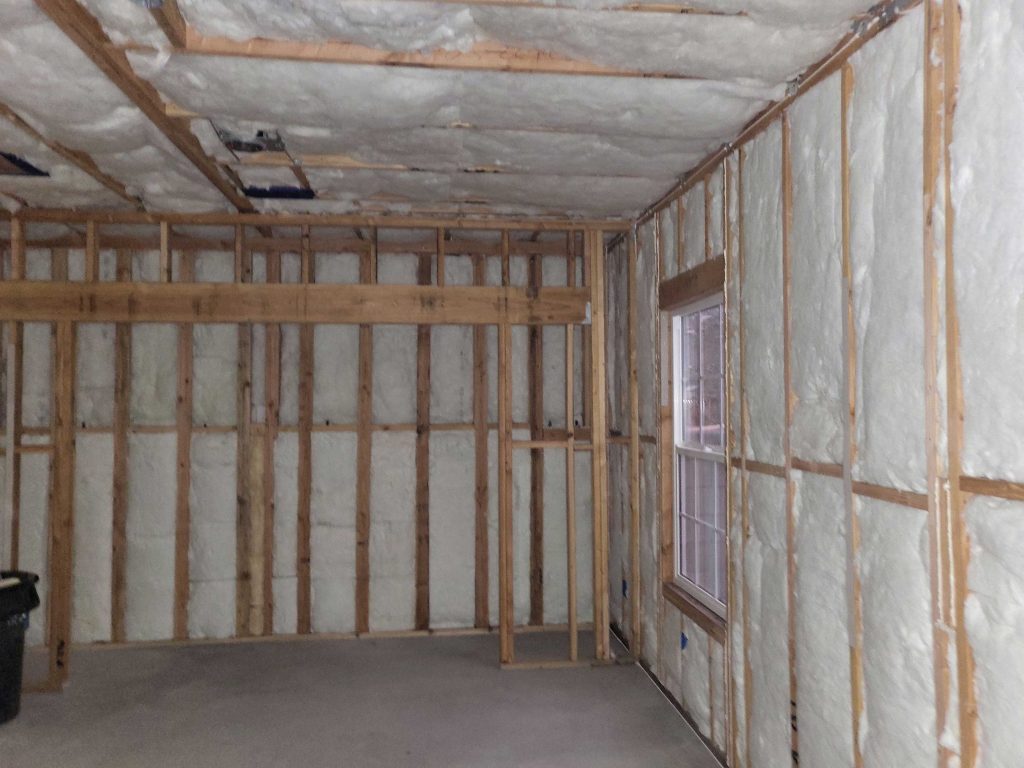
Attic insulation replacement can restore coverage and improve resistance to heat flow when existing material is damaged or inadequate. Removing affected insulation also creates a chance to address hidden air leaks before installing blown-in fiberglass. However, clean, dry insulation may only need a top-up.
That distinction matters before paying for a full replacement. The right project should solve an identified problem, not simply replace something because it is old. This guide covers the benefits, preparation, and quality checks for a vented attic insulated across its floor.
Replace It or Build on What Is Already There?
Old insulation does not automatically need removal. ENERGY STAR explains that additional insulation can go over an existing layer, including a different material.
An inspection should check the material, coverage, moisture conditions, and signs of pests. These findings help determine the appropriate work:
| Existing condition | Sensible next step |
| Dry, clean insulation with thin coverage | Consider adding insulation after checking air leaks. |
| Damage limited to one area | Ask whether targeted removal is enough. |
| Widespread moisture damage or rodent contamination | Address the cause and assess broader removal. |
| Suspected vermiculite insulation | Stop work and consult an asbestos professional. |
ENERGY STAR identifies wet, moldy, or animal-contaminated insulation as reasons not to simply add another layer. Vermiculite needs special care because it may contain asbestos; EPA advises leaving it undisturbed.
High energy bills or uneven room temperatures justify an assessment, but they do not prove removal is necessary.
What Removing Damaged Insulation Lets You Fix
Clear Affected Material Instead of Covering It
New fiberglass does not clean the insulation underneath it. When existing material contains rodent waste, adding another layer leaves that contamination in place. CDC guidance calls for removing insulation contaminated with rodent urine or droppings.
However, replacing insulation without correcting a moisture source risks another problem. Roof repairs or other moisture-control work may need to happen first. Covering the affected area does not resolve the cause.
Before scheduling attic insulation removal in Victorville, CA, ask which areas need removal and why. The removal plan should explain dust containment, waste handling, and disposal. Suspected asbestos requires specialist handling, not routine vacuum extraction.
Reach Air Leaks Before Installing the New Layer
Insulation slows heat flow; air sealing closes gaps that let air move between the house and attic. These are separate jobs. Accessible gaps around pipes, wiring, and wall tops need assessment and appropriate sealing. The attic hatch also deserves attention.
Planning attic air sealing before installation avoids burying those openings beneath fresh fiberglass. Removing everything is not always required, but the contractor needs enough access to complete the work. The contractor should also check bathroom exhaust ducts. Fans should vent outdoors, not release moist air into the attic. More fiberglass cannot correct a poorly routed exhaust duct.
Why Blown-In Fiberglass Fits This Upgrade
Blown-in fiberglass consists of fine glass fibers installed with a blowing machine. Unlike batts, which come in shaped sections, loose-fill material can be distributed across an attic floor.
More Consistent Coverage Around Irregular Spaces
Existing attics can have tight corners, framing, pipes, and wiring that complicate fitting batts. Blown-in fiberglass can fill around these features without cutting a separate piece for each space.
Correct installation also covers the tops of ceiling joists. This reduces heat flow through exposed framing, often called thermal bridging. Even coverage matters: a deep pile in the middle does not make up for thin areas near the edges.
Better Comfort With Less Heat Moving Through the Ceiling
During hot weather, heat moves toward cooler indoor spaces. In cold weather, heat can escape from heated rooms toward an unheated attic. Adequate insulation slows that movement. Replacing missing, damaged, or inadequate insulation can therefore help rooms hold their temperature and reduce heating and cooling demand. The improvement depends on the starting condition and the rest of the home. There is no fixed savings percentage for every replacement project.
Alpha Insulation offers attic insulation upgrades that consider insulation depth, air sealing, and material selection. However, insulation does not repair leaking ductwork. When uneven temperatures involve air-distribution problems, a separate duct leakage assessment may help identify another cause.
A Lightweight Alternative to Cellulose
Loose-fill fiberglass is generally lighter than loose-fill cellulose. That can be relevant when assessing the existing ceiling and its framing.
Still, lighter does not mean better in every situation. Compare materials using their rated thermal performance and installation requirements. Both fiberglass and cellulose can insulate an attic effectively when the right product is installed correctly.
Check the Finished Job, Not Just the Depth
R-value measures resistance to heat flow. A higher R-value means greater insulating resistance, but thickness alone does not establish the rating. The product and installed density also matter.
A useful completion checklist includes:
- The exact fiberglass product and target R-value.
- The attic area covered and number of bags installed.
- Depth that follows the manufacturer’s coverage chart.
- Even coverage without missed corners or low spots.
- Protected ventilation paths and an insulated, sealed attic hatch.
Ask for installation records and photographs rather than entering the attic to check the work personally.
In a vented attic, soffit vents must remain open. Baffles preserve airflow above the insulation near the roof edges. Required clearances around heat-producing equipment also need protection; fiberglass is not permission to bury every fixture.
What Shapes the Cost and Value of Replacement?
The cost of attic insulation replacement depends on the attic area, access, and preparation required. A damaged attic may need more work than one receiving a simple top-up. A site assessment helps establish that scope. For blown-in fiberglass insulation in Victorville, CA, request an itemized estimate. Separate removal and disposal, any corrective work, air sealing, and new insulation.
Two prices are difficult to compare when one includes preparation and the other only includes blowing in material. Also, ask who handles roof repairs or pest treatment when those services are needed. Ask how the target insulation level was chosen. An estimate based only on inches, without a product name or R-value, leaves out information needed to compare performance.
The useful question is not just, “What does replacement cost?” It is, “What problem will this work solve?” Paying to remove usable insulation without a clear reason does not automatically create more value.
Frequently Asked Questions
1. Can blown-in fiberglass go over old cellulose insulation?
Yes, provided the existing insulation is suitable to remain. ENERGY STAR allows adding a different insulation type over an existing layer. Before proceeding, the contractor should check for damage, contamination, air leaks, and ventilation problems. Switching materials alone does not require complete removal.
2. Is blown-in fiberglass better than fiberglass batts for an existing attic?
It can be easier to distribute around irregular framing and obstructions. However, properly installed batts remain a valid option. Compare the target R-value, available space, access, and installation quality rather than assuming one form is always better.
3. Does blown-in fiberglass settle over time?
Settling is product-specific. Some manufacturers describe their fiberglass products as nonsettling, while general guidance allows for some settling. Follow the selected product’s coverage chart, including any required settled thickness, instead of assuming all loose-fill insulation behaves identically.
4. Will replacing insulation solve mold or rodent problems?
No. Moisture control and pest exclusion require separate attention. Removing affected material does not repair a roof leak or close rodent entry points. Those causes need attention before the attic is reinsulated, along with suitable cleanup of remaining contamination.
5. How much blown-in fiberglass does an attic need?
The amount depends on attic size, the chosen R-value, the specific product, and any usable insulation that remains. The contractor should calculate coverage and bag count from manufacturer instructions. There is no single depth that gives every fiberglass product the same R-value.
6. How long does attic insulation removal and replacement take?
Timing varies with attic size, access, contamination, and preparation. Ask for a schedule covering removal, corrective work, air sealing, and installation. A quoted removal timeframe should not be assumed to cover the complete project, especially when repairs must happen first.
7. Can homeowners safely remove old attic insulation themselves?
Not every attic is suitable for DIY removal. Suspected vermiculite should remain undisturbed pending professional advice. CDC also warns against vacuuming or sweeping rodent urine, droppings, or nesting material because this can spread contamination through the air.
Plan an Attic Upgrade That Addresses the Cause
A useful upgrade starts with the attic’s condition, not a blanket replacement recommendation. Discuss attic insulation replacement in Victorville, CA, with Alpha Insulation and ask whether removal, air sealing, and blown-in fiberglass fit the home’s needs.
Call (442) 427-6055 or request an attic evaluation. Alpha Insulation is located in Victorville, CA 92392.