
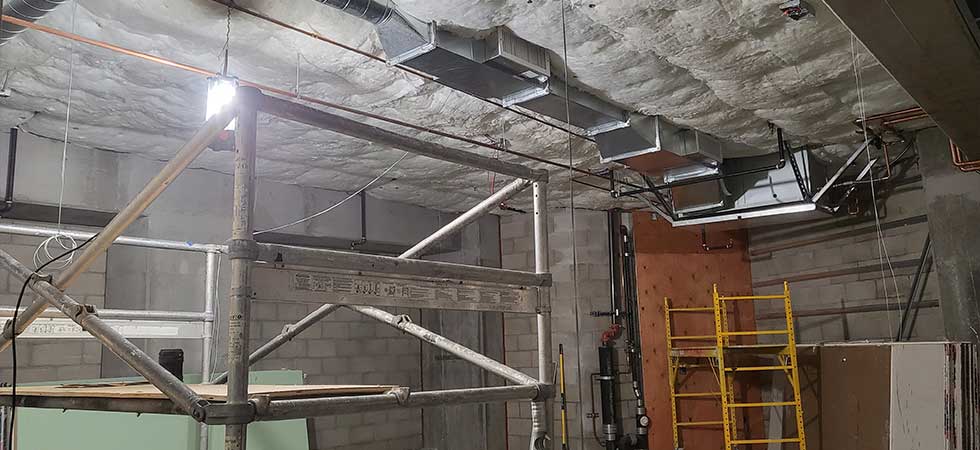
Insulation is more than just a matter of comfort. It changes the cost of utilities, the amount of work that needs to be done on equipment, and how people feel during the day in a business building. When insulation stops working right, the building shell doesn’t keep heat out like it should. That’s when costs go up, rooms feel lumpy, and water appears where it shouldn’t. This is hard to fix because insulating issues are often hidden above and behind walls. There are, however, useful signs that let you know when it’s time to move. If you catch these signs early, you can protect the finishes, make the HVAC last longer, and make things run more smoothly. Here are five signs that your home might need new insulation right away, along with some simple technical notes to help you understand why they matter.
1. Rising Energy Bills And Longer HVAC Run Times
Heating and cooling costs tell a story. If your utility bills trend upward without a change in hours, occupancy, or rates, insulation may be losing its ability to slow heat flow. Insulation works by trapping still air; over time, it can settle, compress, or get wet, which lowers its R-value (its resistance to heat). Lower R-value means heat moves faster through roofs and walls, so your HVAC must run longer to hold setpoints. You might also notice fans staying on after hours or compressors cycling more often.
Quick checks to consider:
- Compare seasonal bills to the same month last year and note weather differences.
- Look for areas with missing roof or wall insulation on past drawings or photos.
- Use an infrared scan to find hot and cold paths through the envelope.
If the roof assembly lacks a continuous layer of insulation above metal decking, thermal bridges at framing can bypass batts in cavities. Adding continuous insulation reduces these bridges. Air leaks compound the issue, so pair insulation upgrades with air sealing to curb both conduction and uncontrolled infiltration.
2. Uneven Room Temperatures And Drafts Across Floors
Uneven temperatures are more than a comfort issue; they hint at missing or failing insulation. Hot spots near exterior walls and cold bands along slab edges often mean the thermal boundary is broken. In tall buildings, the stack effect can pull air in at lower levels and push it out at upper levels; weak insulation around rims, shafts, and roof lines makes those drafts stronger. When air moves this way, rooms on different floors end up at very different temperatures, and your controls chase the problem.
Watch for these signs during a walk-through:
- Rooms with the same setpoint but different actual temperatures by several degrees.
- Drafts near window heads, sill lines, and elevator lobbies.
- VAV boxes are delivering air constantly while still missing the setpoint.
Insulation and the air barrier must be continuous. A gap at a column line, a missing seal at a curtain wall anchor, or uninsulated rim joists can short-circuit the whole system. Improving insulation at these edges and sealing the air barrier with compatible tapes, foams, or gaskets reduces pressure swings and stabilizes room temperatures. This also allows supply air temperatures and fan speeds to be set more gently, which lowers wear on equipment.
3. Moisture Stains, Condensation, Or Musty Odors Indoors
Moisture is a clear signal that heat and air are moving in ways they should not. Brown stains on ceiling tiles, fog on interior glass, or musty odors after weekends can point to condensation, not only roof leaks. When warm, humid air touches a cold surface, it can hit its dew point and water forms. Insulation keeps those interior surfaces warmer, so less moisture collects. If insulation is thin, wet, or mis-located, surfaces cool below the dew point and moisture appears.
Look for:
- Stains at exterior corners, beam pockets, and around roof penetrations.
- Condensation on ductwork or chilled water lines where pipe insulation is damaged.
- Soggy batt insulation near parapets or wall bases after rain events.
Wall and roof assemblies need the right balance of thermal resistance and vapor control. A vapor retarder placed on the wrong side of the assembly can trap moisture. Closed-cell spray foam can act as both insulation and vapor control when detailed correctly; mineral wool allows drying but needs an air barrier to perform. Any wet insulation should be removed and replaced, since moisture lowers R-value and can damage finishes over time.
4. Ice Dams Or Hot Roofs In Similar Weather
Roof behavior tells a lot about insulation health. In cold seasons, icicles at eaves or ice dams on a low-slope roof often mean heat is escaping from the occupied space and warming the roof deck. Meltwater refreezes at colder edges and backs up under laps. In warm seasons, you may see “hot” roof zones on an infrared scan while nearby areas read cooler under the same weather. That contrast suggests inconsistent insulation thickness or wet insulation that conducts heat.
Signs to note:
- Snow is melting in blotchy patches above conditioned areas, while shaded edges keep snow longer.
- Early roof membrane aging near mechanical curbs, where insulation is thin or poorly sealed.
- Hot mechanical rooms below roofs that lack a continuous thermal layer.
Continuous insulation above the deck, installed with staggered joints and sealed penetrations, reduces thermal bridging through steel or wood framing. Where re-roofing is planned, upgrading tapered insulation can both improve drainage and add thermal resistance. Do not forget air sealing around curbs and parapets; warm air leaking into roof cavities is a common driver of ice dams and irregular roof surface temperatures.
5. Old, Damaged, Or Settled Insulation In Assemblies
Some buildings simply outgrow the insulation they started with. Renovations, roof replacements, and new cabling can leave gaps, compression, or removed sections that were never restored. Batts that have slumped in wall cavities, loose-fill that has settled below the top plate, or foam that has pulled back from studs all reduce R-value and create paths for heat and air.
During maintenance, keep an eye out for:
- Batts sagging away from the top of cavities or missing around outlet boxes.
- Rodent or bird damage in roof voids which disturbs insulation and opens air paths.
- Old foam with visible shrink gaps at corners and around penetrations.
- Discolored insulation, a clue that air has been moving dust through a gap.
Technical note: R-value depends on thickness and continuity. Compressing a batt to fit a tight space does not increase its performance; it usually lowers it. Even a small gap can conduct far more heat than an insulated area. When replacing, match the insulation type to the assembly: mineral wool for fire resistance and drainage, closed-cell spray foam for combined air and vapor control, or high-density polyiso above a roof deck for continuous thermal resistance.
Next Steps to Improve Comfort and Efficiency
When you see these signs, the next step is a careful look at the roof, walls, and air barrier. A trained crew can test, scan, and specify upgrades that suit each assembly and budget. Alpha Insulation provides insulation assessments, thermal imaging, air sealing, spray foam, blown-in and batt installation, roof insulation upgrades, insulation removal, and vapor control detailing. Our goal is simple: reduce waste, protect finishes, and make indoor conditions steadier. Alpha Insulation can inspect your building and propose practical options that improve comfort and control costs without disrupting daily operations.